

In the early days of the Second World War, families across Canada began tearing up their yards to plant root vegetables, determined to be self-sufficient in the face of the growing threat.
From one end of the country to another, people rushed to buy seeds and farm implements so they could grow the food they might need if rationing deepened and the war became more threatening.
There was no instruction book. No master plan.
No government campaign telling citizens what to do.
Canadians just began planting.
At first, the government was surprised, then a little perturbed. Officials feared that amateur gardeners would waste badly needed seeds that could be utilized more efficiently for the war effort.
Then, in 1942, a government pamphlet scolded “city folk” about digging up their yards.
Officials feared these amateur gardeners:
“would create the demand for equipment such as garden tools, fertilizers and sprays, which are made from materials needed by Canada’s war industries and because Canada’s vegetable seed supply can best be employed by experienced gardeners with equipment on hand.”
But Canadians were undeterred.
They would do their part no matter what the officials in Ottawa thought.
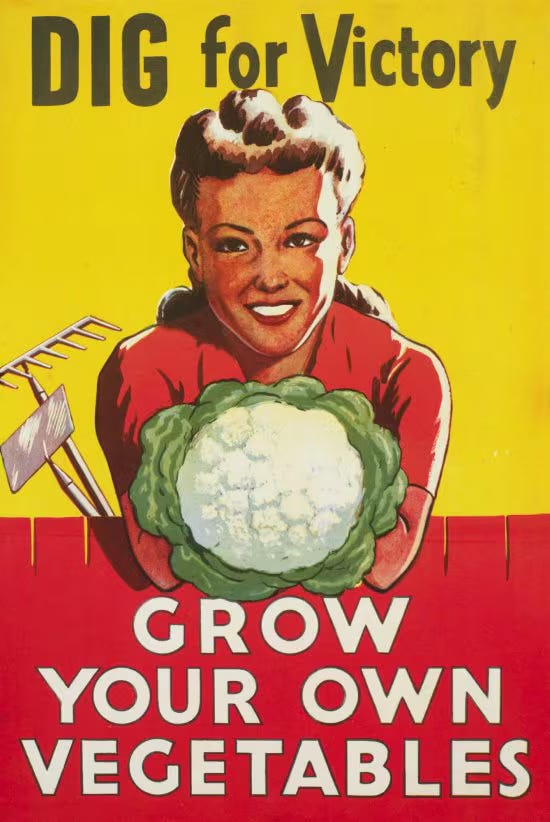
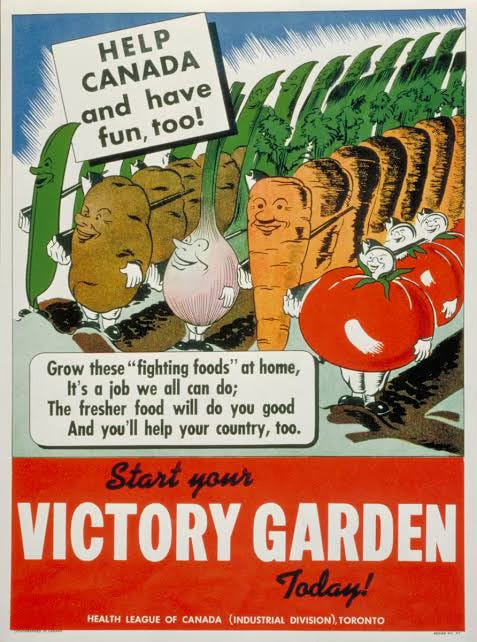
By 1943, the government finally realized that war gardens should be promoted as a morale booster to bring people together.
Did growing your own cabbages change the course of the war? Probably not. But it was a visible sign of national resolve in a time of frightening uncertainty.
Canada is having a Victory Garden Moment.
Nobody planned or organized the boycott. But it took hold and spread across the country as soon as Trump began to ridicule and threaten our nation.
Politicians barely noticed. Most pundits assumed that it would have little impact or that the boycott would peter out.
That didn’t happen. The effort has only grown stronger.
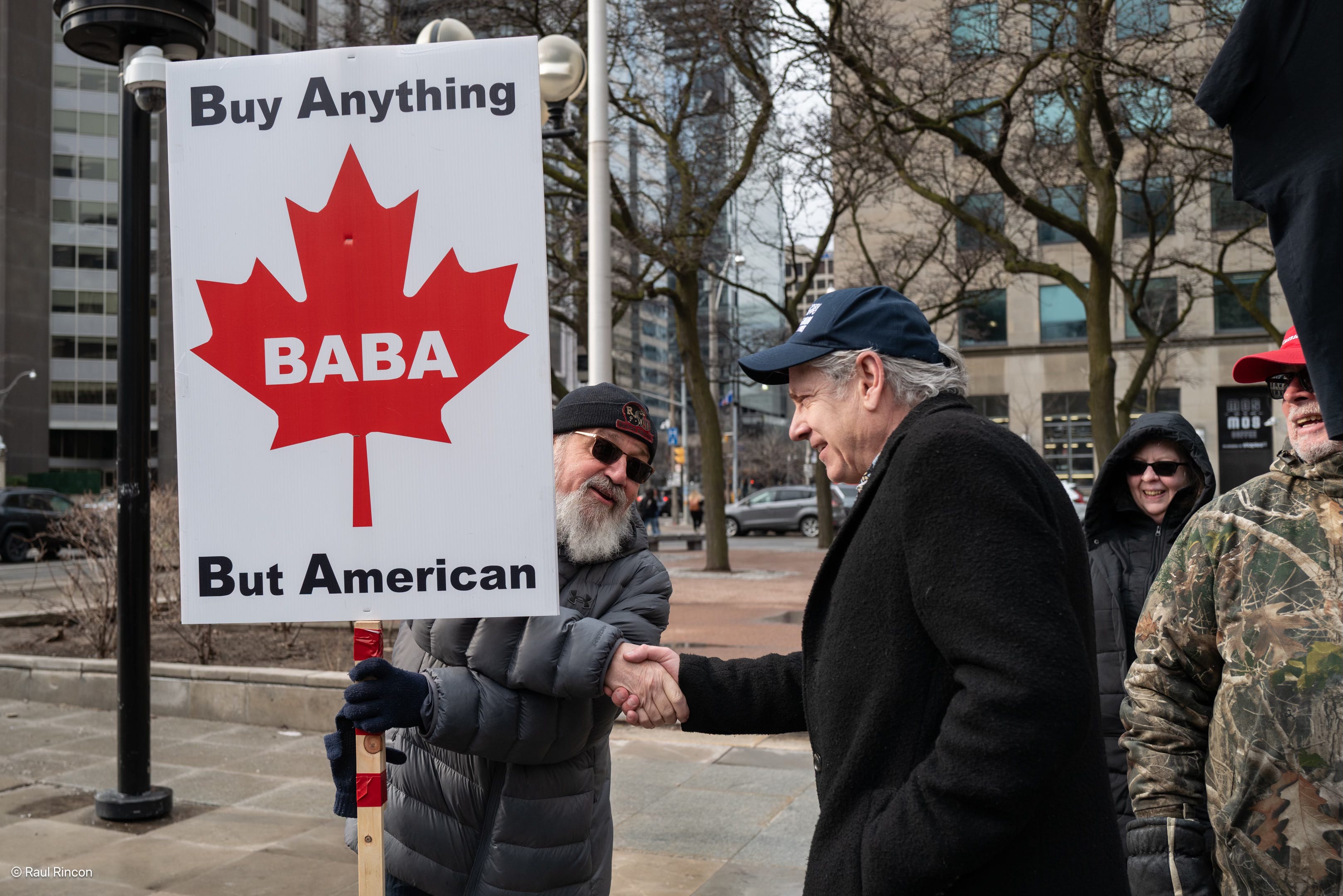
Initially, the boycott may have been a tactic to send a message to Washington, but it has become much more than that.
This year, the United States will lose over $800 million from the travel boycott and products like Kentucky bourbon and California wine have suffered catastrophic losses.
As part of the recent trade threats/negotiations, the MAGA regime demanded that American booze be returned to the shelves. The idea of an empowered citizenry enraged them.
Now we see leaders like Premiers David Eby and Wab Kinew rallying Canadians to promote and extend the boycott.
But once again Canadians are well ahead of their political leaders.
The boycott is no longer simply a protest; it has become a road map to an independent future. Canadians are changing where they travel, what they buy and where they invest their money.
I urge everyone to read the recent study in the UK Guardian that documents the incredible resolve shown by Canadian citizens to make their lives as independent as possible from the United States.
It will not be an easy process, but The Guardian article shows the extraordinary means by which Canadians are setting out on this road to independence.
Canadian journalist Stephen Marche, in a recent New York Times editorial, “The ‘No’ Heard Around the World”, wrote that Canada’s willingness to defy US hegemony and endure the resulting economic pain shouldn’t be surprising.
It “emerges from deep reservoirs of the Canadian spirit.”
Having spent a decade as a columnist for Esquire, Marche came to understand that there were significant differences between how Canadians and Americans understood the meaning of respect:
“For Americans, respect was the capacity to project power, the ability to make things happen and to win are the primary virtues.
For Canadians, the defining virtue is toughness, the capacity to endure.”
He goes on to point out that Trump’s heavy-handed threats against Canadians were rooted in the misconception that since we were polite, we were weak:
“The American president clearly did not know whom he was dealing with.
He is following in a grand tradition of American leaders starting wars with people they don’t understand, then wondering what went wrong.”
During the Second World War, Canadians planted root vegetables as a sign to their neighbours that we would hold our own.
Their grandchildren are doing the same thing when they turn American products upside down in the grocery aisle.
This is not a stunt.
This is who we are as Canadians. We endure, and we will survive.

Click here to subscribe to Meidas Canada Network: https://www.youtube.com/@MeidasCanada
Just deleted Google Maps and downloaded Mapquest, which isn’t renaming Lake Ontario. This American veteran stands with Canada 🇨🇦.
Right on, Charlie! Didn't your mom say she would gladly eat nothing but root vegetables rather than buy any American produce? I have been buying local Quebec-grown celery and freezing it so I don't have to get it from the Benighted States once our season is over.
I must confess, though, that I recently, unwittingly, bought coffee filters made in the US. I forgot to check the packaging, thinking we couldn't possibly import paper products from the US. I openly admit to my mistake, and I do hope my fellow resisters will forgive me. Mea culpa, mea maxima culpa.
Canada rocks! We are the champions of the boycott.